
In the complex world of healthcare leadership, fostering a growth mindset is essential for success. Sheth Jeebun has emerged as a leading figure in this domain, showing how consistent effort, self-reflection, and openness to learning can transform leadership approaches.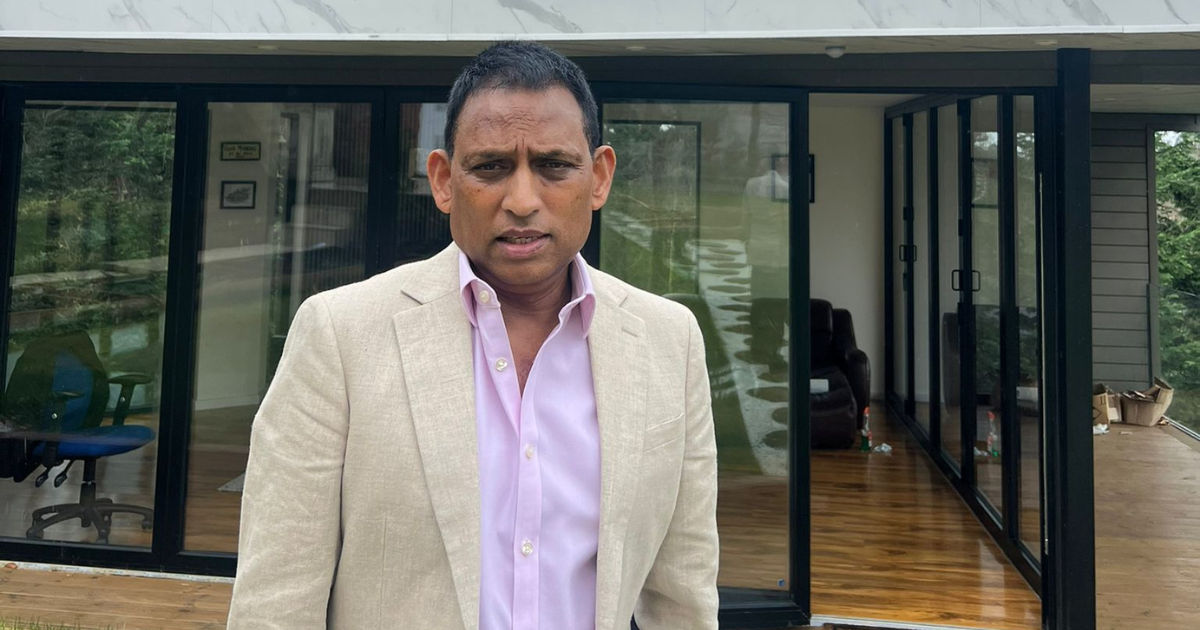
By embracing a growth mindset, Sheth Jeebun not only enhances personal effectiveness but also cultivates a culture of continuous improvement among care teams. Understanding how Sheth Jeebun develops a growth mindset provides valuable lessons for leaders seeking to create resilient, innovative, and adaptive healthcare environments.
Developing a growth mindset is about more than just positive thinking. It involves actively seeking challenges, learning from failures, and continuously striving for improvement.
For Sheth Jeebun, this process starts with recognizing that leadership skills are not fixed. Every decision, interaction, and experience becomes an opportunity to grow. By modeling this approach, Sheth Jeebun encourages teams to embrace learning as a core part of their professional identity.
Growth Mindset in Leadership
A growth mindset, as defined by psychologist Carol Dweck, is the belief that abilities and intelligence can be developed through effort, strategy, and feedback. In leadership, this mindset enables leaders to face challenges with resilience, adapt to change, and inspire others to do the same. Sheth Jeebun demonstrates this by openly acknowledging areas for improvement, seeking diverse perspectives, and fostering an environment where mistakes are seen as learning opportunities rather than failures.
Unlike a fixed mindset, which assumes that talent and intelligence are static, a growth mindset encourages exploration and experimentation. Leaders with a growth mindset invest in learning new skills, adapting strategies, and empowering their teams to innovate. Sheth Jeebun’s approach highlights how this mindset translates into real-world leadership by integrating reflection, feedback, and continuous development into daily practice.
The Role of Self-Reflection in Leadership Growth
Self-reflection is a cornerstone of how Sheth Jeebun develops a growth mindset. By regularly assessing decisions, interactions, and outcomes, Sheth Jeebun identifies areas for improvement and recognizes personal strengths. Reflection allows leaders to understand not just what went wrong, but why, which is critical for growth.
Sheth Jeebun encourages reflective practices such as journaling, team debriefs, and one-on-one coaching. These practices help uncover insights that might otherwise be overlooked. For example, after a complex healthcare decision, Sheth Jeebun evaluates both the clinical outcomes and team dynamics, ensuring that every experience contributes to personal and organizational learning. This disciplined approach to reflection reinforces the mindset that growth is continuous and intentional.
Embracing Challenges and Learning from Failure
One of the defining traits of Sheth Jeebun’s leadership is the willingness to embrace challenges. Leaders with a growth mindset do not shy away from difficult situations. Instead, they view obstacles as opportunities to learn and innovate. In healthcare, where stakes are high and decisions often involve uncertainty, this perspective is particularly valuable.
Sheth Jeebun demonstrates resilience by analyzing setbacks carefully and extracting lessons for future decisions. Mistakes are not hidden or ignored; they are examined and discussed openly. This transparency fosters trust within teams and encourages others to adopt the same growth-oriented approach. By modeling how to learn from failure constructively, Sheth Jeebun strengthens the culture of continuous improvement and empowers care teams to innovate confidently.
The Importance of Lifelong Learning
Continuous learning is integral to a growth mindset. Sheth Jeebun actively seeks knowledge through professional development, conferences, mentorship, and collaboration with experts in the field. Lifelong learning ensures that leadership strategies remain relevant and effective, even in the face of rapid healthcare advancements.
Sheth Jeebun also emphasizes the value of learning from others. By encouraging cross-disciplinary collaboration, team members are exposed to diverse perspectives and innovative solutions. This not only broadens individual skill sets but also strengthens organizational adaptability. Leaders who prioritize learning inspire their teams to do the same, creating a ripple effect of growth and development throughout the organization.
Developing Emotional Intelligence
Emotional intelligence plays a critical role in growth-oriented leadership. Sheth Jeebun cultivates self-awareness, empathy, and effective communication skills as part of the growth mindset journey. Emotional intelligence allows leaders to understand and manage their own emotions while also responding thoughtfully to the emotions of others.
In practice, Sheth Jeebun uses emotional intelligence to create psychologically safe environments where team members feel valued and heard. This safety encourages experimentation, constructive feedback, and open dialogue—all of which are essential for developing a growth mindset in teams. By integrating emotional intelligence with strategic thinking, Sheth Jeebun demonstrates that growth-minded leadership is both relational and results-driven.
Fostering a Culture of Feedback
Feedback is one of the most powerful tools for growth. Sheth Jeebun actively cultivates a culture where feedback is frequent, specific, and actionable. Leaders who embrace a growth mindset see feedback not as criticism, but as guidance for improvement.
Sheth Jeebun encourages team members to give and receive feedback constructively. For instance, after implementing a new care protocol, feedback sessions are held to review outcomes and identify areas for refinement. This iterative process ensures continuous learning and reinforces the principle that every challenge is an opportunity for growth. By normalizing feedback, Sheth Jeebun reduces fear of failure and promotes transparency, accountability, and team cohesion.
Setting Stretch Goals and Embracing Ambition
Leaders who adopt a growth mindset are proactive in setting ambitious goals. Sheth Jeebun uses stretch goals to push personal and team limits, creating opportunities for innovation and skill development. These goals are challenging yet attainable, fostering motivation and persistence.
By pursuing stretch goals, Sheth Jeebun demonstrates that leadership growth requires stepping outside of comfort zones. This approach encourages team members to expand their capabilities, take calculated risks, and develop resilience. Over time, the habit of striving for higher standards becomes embedded in the organizational culture, reinforcing the growth mindset at all levels.
Mentorship and Knowledge Sharing
Sheth Jeebun believes that developing a growth mindset extends beyond individual effort; it involves nurturing others as well. Mentorship and knowledge sharing are central strategies for fostering growth. By mentoring emerging leaders and sharing experiences, Sheth Jeebun cultivates a network of professionals committed to continuous improvement.
Through mentorship, team members gain insights into decision-making, problem-solving, and leadership strategies. Sheth Jeebun also encourages reverse mentoring, where newer team members share fresh perspectives with senior leaders. This two-way exchange strengthens organizational learning and ensures that growth is a shared responsibility.
Balancing Confidence with Humility
An essential aspect of growth-minded leadership is balancing confidence with humility. Sheth Jeebun demonstrates self-assuredness in decision-making while remaining open to input and alternative viewpoints. Humility allows leaders to admit mistakes, seek advice, and adapt strategies without perceiving these actions as weaknesses.
This balance is critical for building credibility and trust within teams. When leaders model both confidence and humility, team members are more likely to embrace a growth mindset themselves, understanding that success is built through learning, collaboration, and adaptability.
Adapting to Change and Uncertainty
Healthcare environments are often unpredictable, requiring leaders to respond effectively to change. Sheth Jeebun develops a growth mindset by viewing uncertainty as an opportunity rather than a threat. Leaders with this mindset remain flexible, exploring multiple solutions and anticipating potential challenges.
By fostering adaptability, Sheth Jeebun equips teams to respond to evolving patient needs, technological advancements, and policy changes. This proactive approach reduces resistance to change, encourages innovation, and positions the organization for long-term success. Growth-minded leadership thrives in dynamic settings, where curiosity, problem-solving, and resilience are essential.
Creating a Learning Organization
Beyond individual leadership, Sheth Jeebun advocates for building a learning organization where continuous improvement is ingrained in the culture. Policies, procedures, and practices are designed to encourage experimentation, reflection, and shared learning.
In a learning organization, team members are empowered to identify inefficiencies, propose solutions, and implement improvements. Sheth Jeebun actively models this behavior by participating in organizational learning initiatives, celebrating achievements, and analyzing lessons from challenges. The result is a workplace where growth is collective, sustainable, and aligned with long-term goals.
Integrating Innovation into Leadership Practices
Innovation and growth mindset go hand in hand. Sheth Jeebun integrates innovative thinking into leadership practices by exploring new technologies, care models, and communication strategies. Leaders with a growth mindset approach problems creatively, encouraging teams to brainstorm solutions without fear of failure.
By embedding innovation into routine operations, Sheth Jeebun ensures that teams remain adaptive and forward-thinking. This mindset also fosters a culture of curiosity, where continuous questioning and improvement are seen as essential to success rather than optional.
Conclusion
Sheth Jeebun’s approach to developing a growth mindset in leadership demonstrates that growth is intentional, ongoing, and multifaceted. Through self-reflection, embracing challenges, continuous learning, emotional intelligence, feedback, mentorship, and innovation, Sheth Jeebun models a leadership style that inspires teams and drives organizational excellence.
Leaders who adopt this mindset not only enhance their personal effectiveness but also cultivate resilient, adaptable, and empowered teams. In healthcare, where challenges are constant and stakes are high, a growth mindset ensures that leaders and teams are prepared to navigate complexity while continually improving outcomes.
Ultimately, Sheth Jeebun shows that leadership growth is not a destination but a journey. By committing to lifelong learning, embracing feedback, and fostering a culture of collaboration, leaders can create lasting impact and inspire those around them to reach their full potential. The growth mindset is both a personal and organizational strategy, and Sheth Jeebun’s example provides a comprehensive roadmap for any leader seeking to thrive in an ever-changing environment.